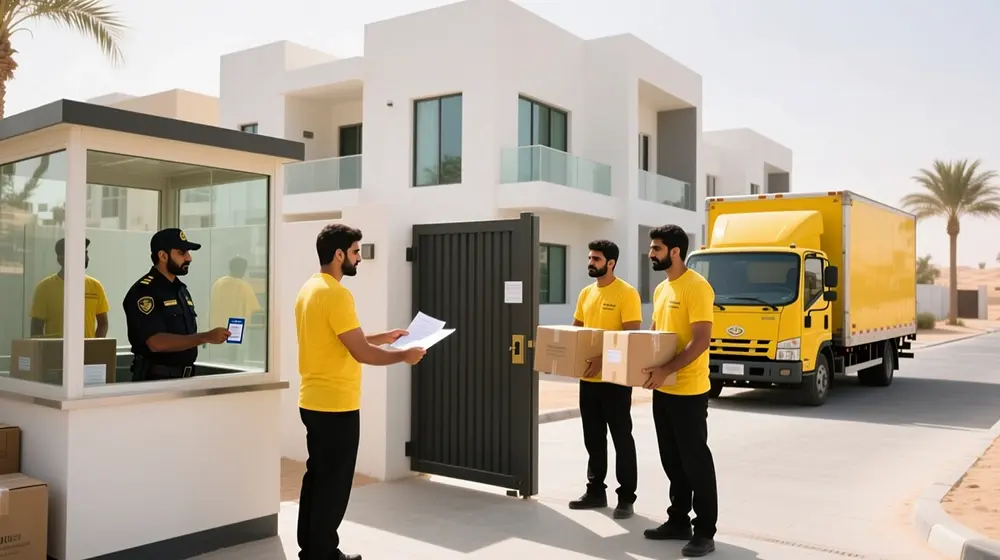
People don’t usually think of Fujairah as a place where moving homes is complicated—until they have to do it themselves. The coastline, the scattered residential communities, and the way approvals work across different zones make relocation feel less predictable than in cities like Sharjah or Dubai. The emirate has seen an increase in household movement over the past few years, especially from families who prefer quieter neighborhoods near Al Faseel, Al Taween, or Murbah (Fujairah Municipality). What makes the process unique here is not the distance between homes, but the conditions that shape how and when belongings are packed, transported, and brought inside.
Coastal humidity influences how furniture and electronics are prepared for loading. Community access rules vary depending on whether the move involves a villa compound, a mid-rise building, or older residential blocks that don’t have registered facility managers. In some areas, confirmation calls with security or management teams are enough to proceed. In others, there’s a requirement to submit proof of tenancy, ID copies, or a formal notice before trucks are allowed past the entrance. These differences don’t usually show up in casual online searches, which is why families often find out about them only when the move is already underway (Residential Access Experiences – Eastern Emirates).
The good news is that relocations in Fujairah can run smoothly when planned with a little awareness of how the emirate handles residential access, coastal packing, and same-day clearances. What causes stress in most cases is not the distance between addresses, but the assumptions people bring from other emirates where the systems work differently.
Also Read : Home Movers in Ras Al Khaimah: Scenic-Route Logistics & No-Stress Booking
Understanding Home Relocation in Fujairah
Relocating within Fujairah follows a rhythm that’s shaped by the landscape just as much as by policy. Some homes sit along the waterfront, where road layouts and parking constraints affect how trucks approach the building. Others are located farther inland near Dibba Al Hisn Road or in low-density residential pockets where entry is informal but timing still matters. Unlike city-tower relocations in Dubai or Abu Dhabi, moves here often cross through mixed-use areas, private access roads, or smaller roundabouts that weren’t designed with large household trucks in mind.
The structure of residential communities in Fujairah adds another layer. Coastal apartments may have service entrances that require booking or clearance. Villas in areas like Sakamkam or Al Hala are more flexible but still rely on acknowledgment from landlords or property overseers. Older neighborhoods do not always have a central management office, which means coordination may run through municipal points or local contacts instead of an official portal (Regional Housing Coordination – Local Tenancy Practices).
People who shift from other emirates sometimes expect the same procedures they have seen in Dubai, Sharjah, or Ras Al Khaimah. The reality in Fujairah is less standardized but still organized in its own way. Residential approvals may be handled over the phone rather than by written form, and move-related documents can be requested without notice depending on the locality. This variation doesn’t make relocation harder—it just means preparation relies more on communication than on assumptions.
Key Considerations for a Smooth Move
Successful relocations in Fujairah usually start with two things: early coordination and awareness of who actually controls access to the property. In a tower building, that might be the security desk, landlord representative, or a facility supervisor who manages elevator use and entry timing. In villa clusters, permission may rest with a property developer, a landlord, or in some cases, a neighborhood caretaker who escalates requests to the appropriate office.
Another practical consideration is timing. While distances within the emirate are relatively short, the roads connecting residential areas to main highways can experience slowdowns during school hours or coastal diversions. Morning scheduling may work in one area but clash with restricted vehicle movement in another. Families relocating from areas near Al Faseel, Merashid, or the Corniche Road often plan for off-peak loading simply to avoid getting stuck in narrow access lanes or entry gates that close earlier than expected.
Documentation is another factor that shapes how smoothly a move begins. Some households secure ID copies, tenancy confirmation, and mover details ahead of time, while others wait until security asks for it at the gate. The difference in outcome is usually measured in hours, not minutes. Those who manage the paperwork and communication early rarely deal with unexpected hold-ups when trucks arrive.
Access Rules in Residential Zones
Access isn’t managed the same way across Fujairah, and that’s where many relocations slow down. In some buildings, a quick call to the guard is enough to let a moving truck through. In others, the management wants advance notice, proof of tenancy, and a mover’s name before anything crosses the gate. There are even cases in older neighborhoods where no formal system exists, but the landlord still expects to be told the date before furniture is carried in or out.
The main challenge isn’t difficulty—it’s timing. Families who sort out permissions a few days in advance rarely run into issues. Those who wait until trucks arrive often spend the first hour sorting introductions rather than unloading.
Move-in / Move-out Clearances
Some residential areas, especially along the coastal stretch and newer mid-rise buildings, require residents to confirm their move with building staff or landlord agents. Once the clearance is logged, the guard or security checkpoint knows to allow vehicle entry.
Residential Authority Requirements
In properties overseen by private developers, there may be a request for ID copies or confirmation of tenancy before granting elevator or lobby access. The process isn’t complicated, but it does depend on catching the right office or contact in time.
Security Checkpoints & Gate Passes
Where there’s a controlled entry point—common in villas near the Corniche and gated residences closer to main highways—security prefers to have mover details in advance. Without that record, delays are common, even if the resident is physically present.
Documents Needed for Approval
Most of the time, the paperwork is simple:
- Emirates ID
- Proof of tenancy or ownership
- Details of the moving company
- Date and estimated time of access
- Contact number for confirmation
Once this step is handled early, the handover on moving day has fewer interruptions.
Transport Routes & Coastal-Area Logistics
Roads in Fujairah connect quickly to highways, but access inside residential clusters can be narrower than expected. A house move isn’t just about distance—it’s about whether the truck can turn, wait, or unload without blocking another vehicle.
Coastal humidity also affects how goods are transported. Areas closer to the water, such as Al Faseel or Murbah, experience higher moisture levels, which can damage unprotected wood or fabric during loading if packing isn’t timed or sealed properly (Residential Handling Observations – East Coast).

Local Route Planning
Some internal roads near housing areas were built before commercial vehicles became common. Planning the route and the stopping point in advance prevents issues at checkpoints and cul-de-sacs.
Inter-Emirate Connections
Moves from Sharjah, Dubai, or Ras Al Khaimah into Fujairah usually cross a mix of mountain passes and coastal roads. Transport rules differ slightly depending on the route taken, especially when moving on weekdays.
Weekend vs Weekday Scheduling
Traffic isn’t as heavy as Dubai, but coastal areas become active early on weekends due to beachgoers, local events, and residential parking congestion. Weekdays may look easier on paper, yet school timings and service vehicle access can interrupt an otherwise simple move.
Staging & Routing Strategy
Some movers choose to stop outside the residential zone before entering, especially when entry approval is pending. This avoids parking conflicts and lets drivers wait without drawing attention from local security or municipal patrols.
Same-Day Confirmation Challenges in Fujairah
Same-day moves are possible in Fujairah, but they rely heavily on timing and who answers the phone. Unlike major cities where processes run through portals or written forms, many residential clusters in Fujairah depend on verbal confirmation. If the right person is available and the property isn’t under strict supervision, approval can be granted within hours (Housing Coordination Experiences – Fujairah Residents).
Trouble usually comes from assumptions. Some families believe management will always be available, only to find out the contact person is off-shift or the office is closed by noon.
When Same-Day Moves Are Possible
Short-notice relocations usually happen in villa communities or low-rise areas where landlords handle access directly. Coastal apartments may still require elevator scheduling, even if verbal approval is given.
Contacting Management Offices
A quick call can solve the issue in some places, but only if made before the busiest window of the day. Once afternoon hours begin, responses tend to slow down.
Short-Notice Permits in Gated Areas
In communities where entry is controlled, guards rely on pre-recorded information. If nothing has been submitted in advance, the first step becomes verification, not access.
Avoiding Delays from Limited Staffing
Weekends, especially Fridays, come with staffing gaps. This affects both management communication and security coordination.
Practical Ways to Secure Same-Day Approval
Residents who succeed with same-day moves usually:
- Inform management early in the morning
- Share ID and vehicle details ahead of arrival
- Stay reachable for confirmation calls
- Ask the moving team to liaise directly with security
- Keep a backup time slot in case of delays
This approach doesn’t guarantee immediate access everywhere, but it reduces setbacks that come from assuming access will be automatic.
Coastal Packing Strategies & Furniture Handling
Packing for a household near the Fujairah shoreline isn’t the same as loading items from an inland villa. The air holds more moisture, and even a short delay during loading can expose wood, upholstery, and electronics to dampness. Movers who operate frequently in Al Faseel, Sharm, or Murbah usually come prepared with sealed wraps, protective layering, and faster loading cycles to reduce open-air exposure. Residents who haven’t moved before often don’t account for humidity or salt traces until furniture arrives at the next location and shows signs of swelling or fabric dampness.
Equipment like washing machines and refrigerators collect moisture around external fittings, especially if left unplugged near ground-level windows. In older buildings, stairwells and corridors can also trap humidity, making it harder to move unwrapped wooden furniture without surface damage.

Moisture-Sensitive Belongings
Glass tables, wooden cabinets, musical instruments, and mattress bases can absorb moisture quickly if left exposed, even for an hour. Items packed the night before and kept indoors typically face fewer issues.
Dismantling & Reassembly Practices
Some villa owners and tenants in mid-rise units assume furniture can be moved intact, but stair dimensions and corridor turns often say otherwise. Dismantling bulky items before movers arrive prevents last-minute confusion and damage.
Electronics & Appliances Near Coastal Air
Coastal humidity doesn’t ruin electronics immediately, but unprotected circuits and screens can react to condensation during transport. Wrapping and securing them in padded materials shortens handling time and minimizes shock risk.
Inventory & Labelling Control
In households with multiple rooms, mislabeled boxes tend to pile up in the wrong space during unloading. Handwritten notes or colored tags sound simple but help movers place boxes correctly without repeated questions.
Insurance for High-Value Home Items
While not everyone seeks coverage, owners of delicate décor, art pieces, and high-end electronics often request written protection from licensed movers. Some landlords also expect insurance confirmation before allowing access to shared lifts or basement entries (Residential Expectation Notes – Fujairah Communities).
Family & Tenant Coordination During the Move
Relocation is rarely just about furniture. Homes with children, elderly relatives, house staff, or shared tenants face different types of disruption. When everyone is in the house during packing, accessibility becomes a real issue. Hallways get crowded, doors remain open longer than expected, and personal belongings get mixed in with packed boxes if no one separates them in advance.
Clear Notices & Task Assignments
Families that discuss packing zones in advance avoid frantic searching on moving day. Even a small reminder about which rooms are being cleared first can keep personal items from ending up in taped cartons.
Minimizing Daily Disruptions
Some residents prefer scheduling pack-out during school hours or weekdays when fewer people are home. Others temporarily shift children or pets to a relative’s place to reduce movement around loaded pathways.
Safety & Access Compliance
In multi-unit buildings, security often advises families to keep non-essential individuals away from loading corridors. This reduces accidental trips, delays, and unnecessary questioning at entry points.
Coordination with Children, Helpers or Roommates
When multiple adults share the space, clear communication reduces misunderstandings. Coordinating packing around personal schedules prevents late-hour panic when trucks are waiting outside (Informal Residential Behavior Insights – Fujairah Moves).
Disposal & Recycling of Unwanted Household Items
Every relocation uncovers things that won’t make the trip—sun-damaged patio chairs, unused cabinets, broken shelves, mattresses stored in balconies, outdated electronics. Deciding their fate after everything is packed only slows the process.
Bulky Waste Pickup Services
Municipal teams in some Fujairah zones offer scheduled collection for large household discards, but advance requests are needed. A missed slot often means keeping the items until the next available date.
Furniture Donation / Recycling Options
Many families pass usable pieces to extended relatives or neighbors rather than move them. Larger household items sometimes go to informal buyers, scrap handlers, or private recyclers depending on condition and timing.
Secure Disposal of Personal Documents
During packing, folders of old bills, tenancy paperwork, school records, and IDs often resurface. Throwing them out without sealing or shredding poses risks. Local advice often comes from building administrators who remind residents to conceal or destroy sensitive material before discarding it (Document Safety Remarks – Residential Offices Fujairah).
Checklist and Key Insights for Home Relocation in Fujairah
Families in Fujairah don’t always follow the same order when preparing to move, but the tasks that prevent setbacks tend to repeat. Some households start with paperwork. Others begin by dealing with furniture or contacting building guards. The sequence may change, yet the essentials remain constant across coastal apartments, older villas, and gated residential blocks.
Here is a structured breakdown drawn from recurring patterns in local relocations:
Step-by-Step Home Relocation Checklist
| Step | Task | Why It Matters |
| 1 | Confirm access with landlord or management | Avoids last-minute denial at property gates |
| 2 | Notify building or security about moving day | Ensures smoother entry with trucks and crews |
| 3 | Share vehicle and mover details when required | Guards can pre-register the move to prevent delays |
| 4 | Gather tenancy proof and ID copies | Some communities won’t allow access without documentation |
| 5 | Begin packing or labeling rooms in stages | Reduces confusion and speeds up unloading later |
| 6 | Plan for same-day or weekend access if needed | Different staffing levels affect approval timing |
| 7 | Resolve any pending utility matters | Landlords may block clearance if bills are unsettled |
| 8 | Confirm parking or loading space near entrance | Trucks cannot wait long on narrow residential roads |
| 9 | Set aside essential personal-use items | Prevents unpacking chaos during the first 24 hours |
| 10 | Clear or donate old furniture and electronics | Limits volume and makes the move more manageable |
While the list looks straightforward on paper, real-life moves rarely follow it in perfect order. Families often juggle school schedules, work hours, and building office timings at the same time they’re packing boxes. In neighborhoods without central management, truck access may be approved over WhatsApp rather than through forms, which changes how residents prioritize the steps.
Facts, Behaviors and Movement Observations
Home relocations in Fujairah don’t come with the same predictability as in more densely regulated emirates. Decisions are often made around availability, not policy. For example, tenants moving from Al Faseel to a building in Al Taween reported that access approval took ten minutes because security staff knew the residents personally. On the other hand, someone relocating from a compound near Dibba Road waited half the morning because the landlord insisted on checking documents before allowing movers through the gate (Resident Access Reports – East Coast Moves).
Several patterns continue to show up across different areas:
- Moves are frequently scheduled on short notice when leases renew, especially in family villas.
- Same-day confirmations are granted more often in older or privately managed residences.
- Buildings with elevators near the coast prefer weekday morning relocations so maintenance teams are still on duty.
- Weekend moves can go smoothly when residents share ID details early, but delays spike when managers are unreachable.
One recurring issue is timing coordination. Many families underestimate how quickly humidity affects items left unwrapped during loading, particularly during warmer months. Movers with coastal experience tend to shorten exposure by packing as close to the departure time as possible and unloading immediately upon arrival. These small gradients shape how well a move day unfolds, even if the distance is only a few kilometers.
Conclusion: Home Movers in Fujairah
Relocating a home in Fujairah isn’t defined by distance. Most households move within the same city or between nearby communities, yet the difference between a smooth transition and a stalled one depends on timing, communication, and how familiar the movers or residents are with local access habits. Coastal air, narrow entry points, and community-led approvals add variables that don’t always exist in other emirates.
People who manage their move successfully tend to do a few things differently. They call ahead instead of assuming the guard will recognize them on the day. They pack in stages rather than leaving everything to the night before. And they don’t wait for confirmation after the movers arrive—they secure it before the truck gets close to the building or villa.
The process doesn’t have to feel bureaucratic or uncertain. Fujairah’s residential areas function on coordination more than formal rules. When the right people are informed, and belongings are packed with the coastal climate in mind, the move unfolds with far less disruption than most expect. Whether it’s a same-day shift or a planned weekend relocation, awareness often matters more than paperwork.
FAQs – Common Questions Answered
Do residents always need permission before moving in or out?
Not all areas follow formal procedures, but most managed properties—especially coastal apartments and villas with shared entrances—expect advance notice so vehicles and movers aren’t stopped on arrival.
Are same-day home moves realistic in Fujairah?
They are possible, but success depends on how quickly the resident reaches the right contact. Some approvals happen by phone within hours, while other areas take longer due to unavailability of staff.
Who usually grants access for movers?
Depending on the property, it could be a landlord, building receptionist, facility supervisor, or community guard. Older neighborhoods may rely on direct landlord coordination instead of any centralized office.
How do residents handle old furniture or unwanted items before moving?
Some arrange municipal pickup in advance, while others pass items to neighbors, relatives, or scrap goods collectors. The key is clearing them before loading begins to avoid delays.
Can trucks enter residential zones on weekends?
In many areas, yes—but staffing is lighter, and entry might take longer if details weren’t shared earlier with management or security.
Do coastal conditions really affect packing?
Humidity and air exposure can cause problems for wooden furniture, electronics, and fabric-based items if left unsealed during loading, especially in waterfront communities.