
People assume Dubai to Abu Dhabi is a straight 90-minute run if the truck leaves on schedule. On paper, that’s true. In practice, most of the delay happens before the driver even hits E11. Crews end up waiting for building access, loading bay clearance, or late-issued NOCs from facilities teams. Residential towers in Dubai often don’t allow early morning loading unless it’s pre-booked, and commercial buildings slot movers into off-peak windows. One missed approval at the origin point can push the departure into a restricted truck window, which immediately adds a minimum of one to three hours. These hold-ups are rarely discussed but consistently reported by moving teams who operate between the emirates. (Dubai Municipality – Building Access & Move Permits)
Even after departure, timing mismatches along Sheikh Zayed Road make a bigger difference than most clients expect. Trucks that leave after 9:30 AM often catch the midday enforcement window near Jebel Ali and the interchange corridors leading into Abu Dhabi. Delay clusters form around these choke points when documentation isn’t ready or routes aren’t pre-cleared. Drivers who depart before 7 AM tend to hit the free-flow window and clear the first checkpoint while inspectors are still rotating shifts. Once you miss that opening, the journey stops being predictable. (Dubai Roads & Transport Authority – Vehicle Movement Regulations)
The Three Checkpoints That Decide Your Schedule
Most people think the drive itself is the issue, but the real time drain shows up at the corridor checkpoints between the two emirates. There are three common inspection points along the Dubai–Abu Dhabi route, and each one can either wave a vehicle through in seconds or hold it long enough to derail the entire schedule.
The first checkpoint usually sits near the Dubai exit corridor, where inspectors focus on vehicle category, plate compliance, and load visibility. If the truck is marked for commercial use but the paperwork lists residential clearance only, officers flag it immediately. Crews who don’t have a printed move permit or delivery manifest often end up calling building management from the roadside to verify the job. That kind of delay doesn’t come from bad luck—it comes from assuming digital copies will be accepted. (RTA – Commercial Transport and Load Regulations)
The second checkpoint tends to catch drivers closer to the mid-corridor stretch, often around the border zone near Ghantoot. Here, officers look for route authorization, driver ID, and any municipal clearance tied to the cargo. If the manifest lacks sender and receiver details, the stop can turn into a 20-minute verification call. Trucks carrying furniture, IT equipment, or boxed home goods are frequently inspected unless they can show a stamped job sheet from origin. (Abu Dhabi Integrated Transport Centre – Freight and Corridor Compliance Rules)
The final checkpoint sits on the Abu Dhabi side, where Darb enforcement teams combine permit validation with fee compliance. If the vehicle hasn’t been pre-registered for toll entry or shows a mismatch between truck class and declared purpose, clearance slows down fast. Teams that prepare multi-copy clearance files usually clear this stage in under two minutes because nothing needs to be explained. Those who expect verbal clarification to solve it often lose an hour without realizing why.
Truck Timing Rules No One Warns You About
What slows most moves isn’t traffic—it’s mistiming the legal windows for heavy vehicles. Dubai has designated exit slots for commercial trucks, and missing those by even half an hour forces drivers to hold until the next clearance wave. Movers who load too late in the morning often get stuck behind restrictions designed to keep trucks off main arteries during peak commuter flow. Once that happens, the crew loses the advantage of early departure and ends up merging into the regulated lane patterns meant for midday freight.
On the Abu Dhabi end, entry isn’t as flexible as many assume. The Integrated Transport Centre enforces gatekeeping hours on vehicles crossing into the capital, especially along corridors linked to urban zones. If a truck arrives outside its approved entry window or hasn’t been pre-cleared through the system, it may be redirected to wait until the next allowed window opens. That alone can stretch the journey long past the expected arrival time. Experienced teams time departures backward from the Abu Dhabi entry restrictions to avoid being stuck within sight of the city.
Even the difference between entering through the main corridor versus a secondary access point can add or shave off time. A 30-minute miscalculation at the loading stage in Dubai typically turns into a two-hour ripple effect once restrictions catch up down the road. The rules don’t change throughout the day, but the consequences of missing the early slot increase with every checkpoint passed without alignment. (Darb Enforcement and Corridor Timing Policies)

Cutting Two Hours: The Strategy Movers Use but Don’t Share
The biggest time savings don’t come from how fast the truck drives—they come from when the loading starts. Crews that load late morning almost always collide with restricted exit timings or checkpoint slowdowns. Teams that load the night before or start before sunrise avoid both building access queues and the first enforcement sweep on the highway. This quiet timing advantage alone often removes one to two hours from the total move, without changing the route at all. (Dubai Municipality – Residential Move Slot Regulations)
Another overlooked factor is route sequencing. Not every driver sticks to Sheikh Zayed Road all the way through. Some switch to the truck-designated bypass to skip commuter congestion and rejoin near the corridor checkpoint. Others exit briefly to avoid the toll gates at the wrong hour, especially when Salik deductions stack up on multi-axle vehicles. When the route is planned with toll timing and Darb registration in mind, clearance is smoother and secondary inspection risks drop sharply.
The final piece is document readiness. Trucks that carry printed copies of job details, municipal permissions, and driver IDs in a sealed folder move through inspection points faster than those who rely on apps or messaging screenshots. Inspectors don’t wait for phones to load or confirm QR codes in weak network zones. The teams that quietly prepare paperwork in triplicate rarely stop longer than a minute at any checkpoint. That discipline, not speed, is what reduces travel time.
Building and Parking Approvals That Can Delay You a Full Day
Most delays don’t start on the road—they start at the loading bay. In Dubai, many towers and gated communities won’t let movers touch a single box unless the building supervisor has cleared the booking in advance. Some sites only allow access during fixed slots, and weekend approvals are handled by separate facility teams. If the security desk doesn’t have the vehicle details and the move notice on record, the crew may wait outside while the client scrambles to get someone on the phone. That lost hour often pushes the departure into the restricted truck window and the delay carries forward from there.
Abu Dhabi buildings work differently. Many require a move-in notice issued through the management office or the municipality channel, especially in mixed-use towers or areas covered by gated facility rules. Some locations ask for vehicle plate numbers a day ahead so the loading bay or service lift can be reserved. Without that record, guards may refuse entry or send the truck to an alternate waiting area until clearance is confirmed. A move that was supposed to finish by afternoon can stretch to the next day simply because the elevator slot wasn’t secured early.
Even parking becomes a problem when it isn’t pre-arranged. Trucks that stop in front of residential blocks without temporary permits sometimes get flagged by patrol units, especially in regulated communities. A few enforcement officers will allow short-term unloading if paperwork is shown quickly, but in many cases the vehicle is told to relocate to an approved loading zone. Each relocation adds more time, and if the slot was booked by another contractor, the move pauses until a new window opens. These setbacks don’t look serious in theory, but in actual practice they are what turn a same-day transfer into an overnight delay. (Municipal Transport Compliance Notices – Field Enforcement Records)

Checkpoint Documents That Keep the Truck Moving
Most delays at corridor stops don’t come from strict officers—they come from missing or incomplete papers. The trucks that pass through without questions aren’t always faster; they’re just better prepared. When the right documents are ready before anyone asks, inspectors rarely bother digging deeper.
What actually keeps the vehicle moving smoothly:
- A printed load manifest showing the sender and receiver details helps officers identify the purpose of the trip immediately.
- A municipality-issued permit from the departure location clears most first-stage checks without further questioning.
- A delivery order that includes building contact information prevents delays when verification is needed on the spot.
- A driver ID that matches the registered vehicle record ends most conversations within seconds.
- Border officers often expect proof that the vehicle is authorized to transport goods between emirates, not just within one city.
- Stamped letters or printed email confirmations from the destination building management reduce the need for call-based verification.
- Teams relying only on screenshots or WhatsApp messages are more likely to be held for manual checks.
Heat Rules, Midday Breaks, and Why Crews Stop Moving at the Worst Time
What many clients don’t realize is that labor timing laws affect moves just as much as traffic rules. During the summer enforcement period, crews are legally required to pause work in the middle of the day. If loading runs too close to the midday cutoff, the team can’t continue—even if the truck is only half packed. That pause forces the departure into hotter hours or later slots, and by the time the vehicle reaches the exit corridor, the earlier truck window is already closed. The work delay at the origin becomes a timing penalty on the road. (MOHRE – Midday Work Ban Circulars and Seasonal Enforcement Guidelines)
Some properties also prevent any noisy work or equipment movement during quiet-hour blocks. In residential clusters, moving crews may be told to halt use of trolleys or lift machinery at certain times to avoid disturbing other occupants. If the building enforces silence windows between late morning and afternoon, loading slows down even if the truck is ready. These micro-delays don’t look serious in writing, but they cause a chain reaction when paired with scheduled rest periods or shift rotations.
On the Abu Dhabi side, offloading can stall when the team arrives mid-break. If the crew reaches the destination while the midday restriction is still active, they are bound by the same stoppage rules. Security staff in many managed facilities will refuse access until the cooling period ends, regardless of urgency. That means a truck that could have finished unloading by early afternoon ends up idling in a side bay until work resumes. By then, lift bookings may have lapsed and the supervisor might need to issue a fresh clearance to restart.
Tolls, Route Fees, and the Quiet Costs of Bad Timing
Most people assume the toll gates only affect private cars, but trucks moving between Dubai and Abu Dhabi get caught out more often than they expect. On the Dubai side, Salik isn’t always the main issue—it’s the number of gates crossed at the wrong hour. A misjudged departure can push the truck through two or three toll points before it even exits the emirate. When vehicles carry multi-axle classifications or haven’t been tagged correctly in the system, fines or deductions show up later and delays follow when disputes arise. (Salik System – Heavy Vehicle Toll Compliance Rules)
Abu Dhabi handles it differently. The Darb system tracks entries into regulated zones and applies charges based on timing and vehicle type. If a truck is not registered in advance or the plate isn’t paired with the correct company account, the trip gets flagged when crossing the toll boundary. Some drivers only discover the issue when they’re stopped at the entry checkpoint for verification, especially if the cargo looks like household goods or office equipment. That pause alone can consume the advantage of an early start.
The route itself also affects timing. Some movers avoid the main highway corridor during peak toll windows and redirect through the truck bypass that skirts the gated sections. That detour can save both money and inspection time, but only when planned in advance. If the driver switches last minute without a mapped sequence, it can lead to longer travel time, extra fuel, and surprise checkpoint interactions. Those who pair toll strategy with traffic restrictions tend to arrive ahead of schedule—not because the road is faster, but because nothing interrupts the flow.
What Drivers Say Actually Saves Them Time
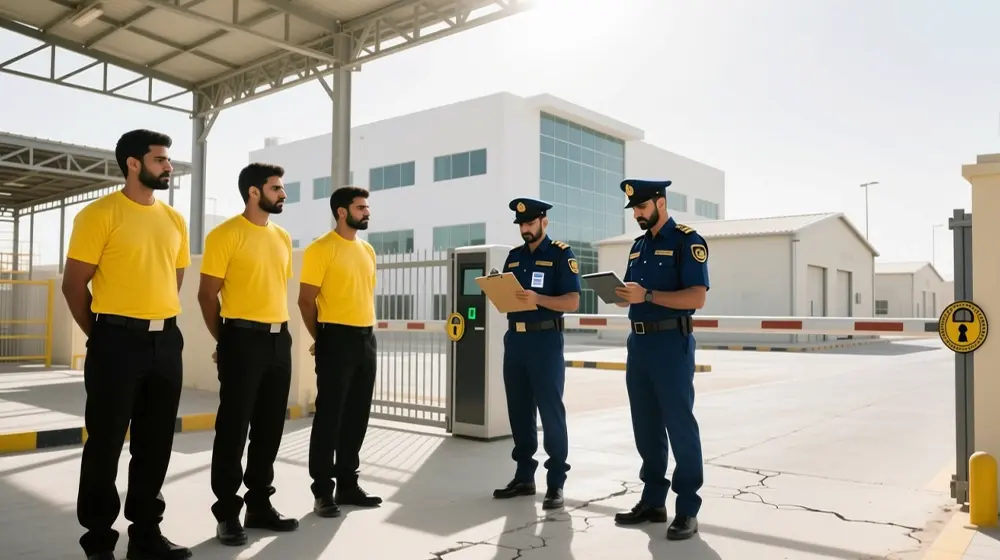
Drivers who run the Dubai–Abu Dhabi route regularly don’t credit speed or luck for finishing early—they credit timing and positioning. Most of the time saved comes from avoiding known choke points, bypassing inspection zones at peak hours, and steering clear of weather-triggered slowdowns. Their habits aren’t guesswork; they come from seeing the same enforcement teams, toll corridors, and weather advisories repeat week after week.
Here’s how those choices play out on the road:
| Driver Strategy | Why It Works | Typical Time Saved | Relevant Trigger |
| Leaving before sunrise | Avoids fog advisories and first checkpoint shift | 30–45 minutes | NCM early travel windows |
| Using truck bypass before Jebel Ali | Skips peak inspection and car congestion | 20–30 minutes | RTA enforcement rotations |
| Clearing Dubai exit before 9 AM | Misses first active inspection cycle | 40–60 minutes | Corridor checkpoint timing |
| Registering Darb/Salik in advance | Prevents toll disputes and roadside verification | 15–25 minutes | Toll enforcement checks |
| Avoiding late-morning departure | Misses midday hold-ups at border zone | 30–50 minutes | ITC corridor activity patterns |
Time-Saving vs Time-Losing Choices: A Quick Comparison
A lot of the time lost on this route doesn’t come from the drive itself—it comes from small decisions made before the truck even moves. Two crews can leave on the same day with the same distance ahead of them, and still arrive hours apart just because one team aligned their schedule with restrictions, toll timing, and building rules. The table below breaks down where most people lose time—and how experienced movers avoid it entirely.
| Decision Point | Wrong Choice (Adds Delay) | Smart Choice (Saves Time) | Time Impact |
| Loading Schedule | Start after 9 AM | Load before sunrise or night prior | 1–3 hours saved |
| Permit Handling | Rely on digital-only approvals | Carry printed copies for each stop | 30–45 minutes saved |
| Toll Prep | Register vehicle on the same day | Pre-load Darb/Salik balance & tags | 15–25 minutes saved |
| Route Selection | Stay in main SZR lanes | Shift to truck bypass early | 20–30 minutes saved |
| Entry to Abu Dhabi | Arrive during restricted slot | Time arrival to ITC clearance window | 45–60 minutes saved |
| Building Access | Request approval same day | Book elevator/loading bay earlier | 1–2 hours saved |
Final Take: Planning Is Where the Time Is Lost or Gained
Most people blame the road for delays, but the journey between Dubai and Abu Dhabi rarely falls apart on the highway. The real time loss happens in the hours before departure—when building access hasn’t been cleared, documents aren’t printed, loading starts too late, or toll registration is left for the same morning. Once the truck misses the early window or reaches a checkpoint out of sync with inspection cycles, there’s no way to recover those lost hours on the road.
Seasoned movers don’t rely on speed—they rely on timing. They load before the first restriction kicks in, register tolls in advance, carry print copies of every document, and enter Abu Dhabi inside the approved slot instead of hoping for leniency. When these pieces line up, two hours disappear from the schedule without touching the speedometer. It isn’t a shortcut—it’s simply not wasting time where everyone else does.