


Villa Moving

Villa Moving in Al Ruwais: Long-Distance Logistics & Survey Before You Pack

Villa moving in Al Ruwais comes with its own set of challenges: long distances to major UAE cities, strict community and permit rules, and the added complexity of villas that often include bulky furniture, outdoor areas, and specialized fixtures. Unlike urban apartment shifts in Dubai or Abu Dhabi, where movers can rely on city infrastructure and quick service access, Al Ruwais sits in the far western region of Abu Dhabi, several hours from the capital. That distance turns relocation into a logistics exercise, routes must be mapped, crews scheduled for long hauls, and timing windows chosen carefully to avoid wasted hours on the road (Abu Dhabi Department of Municipalities and Transport).

At the same time, villa communities in Al Ruwais, many of them linked to ADNOC housing policies, do not allow a move to begin without prior permits. Security staff at camp-style entrances or community gates check documentation before trucks can roll in. Missing even a single NOC or gate pass can stop a move cold, regardless of how well packed your boxes are (ADNOC Housing  & Community Management).

Also Read : Villa Moving in Al Ain: Mastering Compound Rules, Long Carries, and the Desert Sun

This blog will take you through the essentials:

  • Why long-distance logistics matter more in Al Ruwais than anywhere else.
  • How a pre-move survey helps identify risks before you even start packing.
  • The paperwork and permits you must secure before scheduling trucks.
  • Practical tips for bulky villa-specific items, disposal, and timing.

If you’re preparing for a villa relocation in Al Ruwais, think of this guide as your blueprint. It’s not just about trucks and boxes, it’s about planning smart, securing approvals, and surveying before you pack so the move happens smoothly and on schedule.

The Al Ruwais Context – Remote Living, Industrial Roots, and Villa Communities

Al Ruwais is not your typical residential town. It was originally developed as an industrial hub in western Abu Dhabi, spearheaded by ADNOC to house and support workers in oil and gas operations. Over time, the area expanded into a full-fledged community with schools, medical facilities, and villa compounds designed for families. Still, its industrial roots shape the way people live, and the way they move.

Remote Location

Geographically, Al Ruwais sits over 200 kilometers from Abu Dhabi City, with the highway drive taking roughly two to three hours depending on traffic. That distance may not sound extreme on paper, but in relocation terms, it has a big impact. Every delay, whether from a permit issue, traffic snarl, or breakdown, gets magnified when crews and trucks are traveling from far-off service hubs.

Industrial Influence

Because ADNOC continues to play a central role in Al Ruwais, many villas here are tied directly to company housing. This means the policies are stricter than in privately managed communities. Security checkpoints are common, and access is tightly monitored. Even the scheduling of moves may be aligned with industrial shift timings, as communities are built around worker life cycles.

Community Dynamics

Unlike bustling Dubai suburbs, Al Ruwais villa communities tend to be quieter, close-knit, and family-oriented. Villas often come with gardens, outdoor furniture, and larger interiors, making moves more complex. Shared resources like service elevators (in mixed housing zones), parking, and loading bays are managed by facility offices, and they do not tolerate unplanned disruptions. A family trying to move without booking a slot may find movers stopped at the gate until approvals are confirmed (Al Ruwais Municipality).

Long-Distance Logistics – When Your New Villa Is Hours Away

One of the defining features of villa relocation in Al Ruwais is the distance. Unlike central Abu Dhabi or Dubai, where moving companies can operate with quick access to service hubs, Al Ruwais sits far to the west. Most villa relocations here involve long-haul planning, often covering 200–250 kilometers of highway travel to Abu Dhabi City or beyond. That makes logistics a critical factor.

Route Planning

The roads linking Al Ruwais to the rest of the UAE are well-maintained highways, but they also carry a significant amount of industrial transport, oil tankers, supply trucks, and service fleets. Relocation trucks have to plan carefully to avoid congestion at industrial intersections or checkpoints. Choosing the wrong route or timing can add hours to the journey (Abu Dhabi Department of Municipalities and Transport).

Villa Moving

Crew Scheduling

Long-distance moves also put stress on crews. Unlike short apartment relocations, villa moves from Al Ruwais can last an entire day or more. Movers must be scheduled in shifts, with allowances for rest, food breaks, and vehicle checks. Professional companies usually prepare crew rosters in advance so that fatigue doesn’t set in, as tired workers are more prone to accidents or damage (MOHRE – Ministry of Human Resources and Emiratisation).

Vehicle Readiness

Long hauls mean vehicles need to be fully prepared before moving day. Trucks must be inspected for tire conditions, fuel levels, and load capacity. Breakdowns on remote stretches of the Abu Dhabi–Ruwais road can cause major delays and additional costs for towing or rescheduling. Movers often stage backup vehicles or service contacts along the route to reduce risk (Abu Dhabi Police / Transport Authority).

Risks of Poor Logistics

Without detailed planning, long-distance villa moves can go wrong in several ways:

  • Delays caused by checkpoints or industrial traffic.
  •  Overworked crews leading to mistakes or accidents.
  • Vehicles breaking down mid-route.
  • Missed timing windows at destination communities, forcing moves to be rescheduled.

Permits & Gate Access – The First Gate Always Matters

In Al Ruwais, no villa relocation begins at the doorstep. It begins at the gate. Unlike urban communities where movers can often arrive with minimal checks, here, security and permits dictate access. Whether your villa is part of an ADNOC-managed compound or a privately run community, you will not get far without the right paperwork.

Move-In and Move-Out Permits

The first step is always securing a move-in or move-out permit. These documents confirm that the resident has the right to relocate and that all financial obligations are cleared. For tenants, this might mean showing a tenancy agreement; for ADNOC housing, it usually involves proof of employment-linked housing rights. Without this clearance, the facility management office will not authorize the relocation.

Gate Passes for Movers

Once the resident’s permit is in place, the focus shifts to movers. Trucks and crew need temporary gate passes. These are pre-approved with details like license plate numbers, driver IDs, and sometimes even the crew list. Security officers at the entrance cross-check these passes before allowing entry. Any mismatch, like an unregistered crew member, can block the entire move until corrections are made (ADNOC Security Office).

Service Lifts and Loading Zones

Inside villa communities, access does not end at the gate. Movers often need reserved loading zones or temporary access permits for service lifts. This ensures that relocation does not disrupt other residents or block emergency pathways. In many cases, the community office assigns a specific time slot to avoid overlap with other moves. Arriving outside the approved window can result in crews being asked to wait or reschedule.

Security Oversight

Security staff in Al Ruwais are not passive gatekeepers; they actively monitor relocations. Supervisors may check insurance coverage for movers, inspect IDs, or even ensure protective materials are used to safeguard community property. Their role is to protect both residents and shared assets, and their authority cannot be bypassed.

Why the First Gate Matters

A villa relocation might involve long-distance logistics and professional crews, but if the first gate denies access, none of that preparation matters. Permits and passes are the foundation of a smooth relocation in Al Ruwais. Tenants who adopt a permit-first gameplan avoid wasted time, extra costs, and embarrassing stand-offs with security. Simply put, if the paperwork isn’t in order, the move isn’t happening.

Villa Moving

The Pre-Move Survey – Why a Walkthrough Before Packing Saves the Day

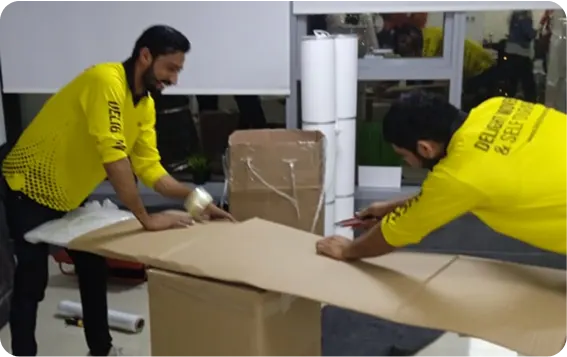
Ask anyone who has successfully relocated a villa in Al Ruwais, and they’ll tell you: the survey makes or breaks the move. Before a single box is taped shut, movers conduct a pre-move walkthrough. It’s not just a formality, it’s the only way to avoid nasty surprises on moving day.

What Movers Look For

During the survey, movers don’t just glance around; they take note of every detail. They measure doorways, check stairwell widths, and identify whether bulky items like pianos, wardrobes, or outdoor furniture can be carried safely. Fragile goods, such as artwork or chandeliers, are flagged for special packing materials. Even the parking layout outside the villa is inspected to see if a large truck can park without blocking traffic.

Identifying Access Problems Early

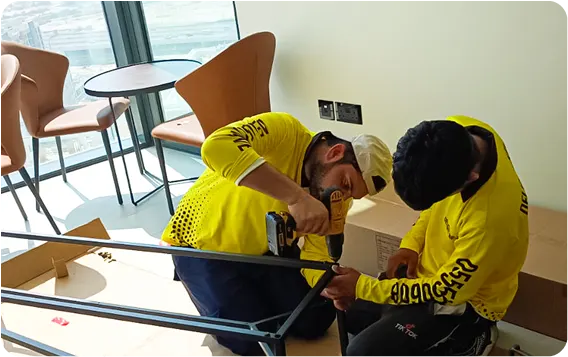
One of the most common problems in villa relocations is access. A door that seems wide enough for a sofa can suddenly become a roadblock when the angle is tight. A narrow service lift can delay the move if bulky items aren’t dismantled in advance. By spotting these issues during the survey, movers can prepare the right equipment, hoists, ramps, or even smaller shuttle vehicles if needed.

Crew and Equipment Estimation

The survey also helps determine the crew size and equipment required. Villas in Al Ruwais often have multiple floors, outdoor fixtures, and heavy wooden furniture. Without a proper headcount and tool list, movers’ risk being understaffed or ill-equipped. A professional survey avoids this problem by mapping manpower needs to the workload.

Cost and Time Accuracy

Another advantage of the survey is financial. Without it, estimates are vague, and tenants may face unexpected costs. With a walkthrough, movers can give a realistic timeline and cost breakdown. Families then know exactly what to expect, both in terms of budget and how long the relocation will take.

Handling Villa-Specific Challenges – Pools, Gardens, and Heavy Furniture

Moving out of a villa in Al Ruwais is never as simple as boxing up clothes and books. Villas here often come with outdoor spaces, private gardens, and large fixtures that require more than ordinary moving skills. Ignoring these unique elements can cause delays, damage, or even disputes with community management.

Outdoor Spaces and Pools

Many villas in Al Ruwais include private pools or landscaped gardens. Relocating from such homes involves more than just taking belongings inside the villa. Outdoor items like poolside loungers, barbecues, garden benches, and swings are bulky and often exposed to the coastal environment. Salt air and humidity can weaken fittings, making them fragile during lifting. Movers must dismantle and pack them with special care. In some cases, facility management requires clearance if heavy outdoor equipment is being removed, especially when it involves drilling or unmounting fixtures (Al Ruwais Municipality).

Heavy Furniture and Custom Installations

Unlike apartments, villas are filled with oversized furniture: solid-wood wardrobes, full dining sets, large sofas, or even gym equipment. These items rarely fit through doors without dismantling. Professional movers use protective padding, lifting straps, and in some cases cranes or hoists for second-floor items. It is not uncommon for movers to stage heavy furniture outside temporarily before loading, but this must be coordinated with community supervisors to avoid blocking pathways.

Gardens and Outdoor Fixtures

Garden moves present their own quirks. Potted plants, garden tools, and outdoor lighting need careful packing. Some communities even regulate the removal of landscaping items if they are considered part of the villa’s fixtures. Residents are often reminded to clarify with landlords or housing authorities whether garden structures, such as pergolas or sheds, can legally be removed.

Insurance and Liability Concerns

Because of the scale of villa-specific items, insurance becomes critical. A dropped chandelier or a cracked marble countertop can result in costly disputes. In Al Ruwais, community offices sometimes ask to see movers’ insurance certificates before granting permits, precisely to protect against such risks. This is particularly true in ADNOC-linked compounds, where accountability is tightly enforced (UAE Ministry of Economy).

Documentation for Long-Distance Villa Moves – Paperwork That Clears the Road

In Al Ruwais, moving a villa is never just about loading trucks. The process starts on paper. Communities, especially those under ADNOC oversight, require strict compliance before any truck or crew is allowed through the gate. Missing even a single document can derail the schedule, cause disputes, or even lead to penalties. That’s why families planning a move must treat documentation as their first priority.

Also Read : Villa Moving in Ras Al Khaimah: Coastal Compounds, Climate Considerations, and Regulatory Compliance

No Objection Certificates (NOCs)

The most important document is the NOC, issued by the community or facility management office. This certificate proves that the resident has cleared all obligations, service fees, maintenance charges, or housing rules. Without it, community security will not authorize the move, no matter how prepared the movers are (Community Management Offices in Al Ruwais).

Tenancy Agreements or Housing Allocation Letters

For private villas, a tenancy agreement is required; for ADNOC housing, a company-issued allocation letter is the standard. Both documents establish the legal right of the resident to occupy the villa and are required to process move-in and move-out permits (Al Ruwais Municipality / ADNOC Housing Authority).

Utility Clearance Letters

Electricity, water, and telecommunication bills must be settled before departure. Service providers issue clearance letters that prove no bills are left unpaid. These are often tied directly to the release of the NOC, meaning tenants cannot secure approval without first closing accounts (Local Utility Providers / Al Ruwais Municipality).

Insurance Proof

Because villas often contain expensive furniture, electronics, and outdoor fixtures, movers must carry valid insurance coverage. Facility managers in Al Ruwais frequently request a copy of the insurance certificate to ensure liability protection in case property or community assets are damaged during relocation (UAE Ministry of Economy).

Gate Passes for Trucks and Crew

Finally, every truck and crew member entering a villa community needs a gate pass. These are issued by security offices after verifying permits, IDs, and vehicle registrations. Gate passes act as the final clearance, ensuring only authorized movers enter restricted compounds (ADNOC Security Office).

Villa Moving

Documentation Summary Table

DocumentPurposeIssued By
No Objection Certificate (NOC)Confirms all dues are cleared and grants permission to moveCommunity / Facility Management
Tenancy Agreement / Housing Allocation LetterEstablishes legal right to occupy or vacate villaMunicipality / ADNOC Housing Authority
Utility Clearance LettersProves settlement of water, electricity, and telecom accountsLocal Utility Providers / Municipality
Insurance CertificateEnsures movers are covered for damage or lossLicensed Moving Company / Chamber of Commerce
Gate Passes for Trucks & CrewAuthorizes vehicle and personnel entry into gated villasSecurity Office / ADNOC Security

Why Documentation Clears the Road

Think of documentation as your entry ticket. Without it, even the best logistics plan falls apart. Trucks may arrive, but security will simply turn them away. Movers may be ready, but unregistered crew will be barred at the gate. Families that prepare their paperwork in advance, and confirm approvals before booking the moving date, avoid these headaches. In long-distance moves, where time is already stretched, this preparation is what keeps the relocation smooth, lawful, and stress-free.

Timing and Low-Traffic Windows – Pick the Wrong Hour, Lose the Whole Day

In Al Ruwais, timing can be just as important as paperwork. A villa relocation here often involves long highway stretches, busy security gates, and strict community rules. If the move starts at the wrong hour, the entire schedule can collapse. Trucks get stuck behind industrial convoys, movers face restricted access hours, and families are left frustrated as deadlines slip.

Highway Traffic Dynamics

Al Ruwais is linked to Abu Dhabi and Dubai by highways that also serve heavy industry. Oil tankers, construction fleets, and logistics trucks dominate certain sections during peak hours. A relocation crew traveling at the same time as these convoys can lose valuable hours on the road. That’s why movers often plan departures at early morning or mid-day slots, when roads are relatively clearer ((Abu Dhabi Department of Municipalities and Transport).

Community Timing Restrictions

Inside the villa compounds themselves, moves aren’t permitted at just any hour. ADNOC-managed housing and private community offices enforce specific relocation windows. These are usually during daytime, avoiding late evenings or prayer times. Some compounds also prohibit weekend moves to maintain community order. A crew arriving outside the approved window may be asked to wait outside until the next available slot, which can throw an entire long-distance schedule off track (ADNOC Housing & Community Management).

Weather and Seasonal Considerations

Al Ruwais, being coastal and relatively remote, faces its own weather quirks. Morning fog in winter can reduce visibility on highways, while summer heat poses risks for crew fatigue and sensitive items. Sandstorms, though less frequent, can also delay travel and unloading. Smart movers keep an eye on weather updates before fixing final dates and times (NCEMA – National Emergency Crisis and Disaster Management Authority).

Disposal & Recycling – What to Do With What You Don’t Take Along

One of the realities of villa relocation in Al Ruwais is that not everything can, or should, make the journey to the new home. Old wardrobes, outdated appliances, and broken garden furniture often surface during the packing process. But unlike smaller towns where unwanted items might be left on the curb, Al Ruwais operates under strict disposal and recycling rules. Communities, especially those tied to ADNOC, keep a close watch on how bulky waste is managed.

Community Restrictions on Waste

Facility management in villa compounds will not allow tenants to dump bulky items in shared spaces. Leaving furniture near elevators, hallways, or outside the villa without approval can result in fines. Supervisors usually require tenants to either book a waste collection slot or arrange pickup through the municipality.

Recycling and Environmental Obligations

Al Ruwais is part of the UAE’s broader environmental strategy, which means e-waste and appliances must be handled responsibly. Items like refrigerators, televisions, and washing machines often contain hazardous materials. The Ministry of Climate Change and Environment (MOCCAE) emphasizes the importance of recycling these items through authorized providers rather than leaving them for general waste collection (MOCCAE).

Villa Moving

Options for Disposal in Al Ruwais

Item TypeHow to Dispose / Recycle
Bulky FurnitureBook a collection through facility management or municipal service
Large AppliancesArrange approved pickup; special disposal needed for refrigerants
Electronics / E-WasteDeliver to authorized e-waste recyclers or request municipal collection
Documents & RecordsUse shredding or secure disposal services for confidentiality
Outdoor Fixtures & Garden WasteRequest municipal collection or community-approved removal

Checklist for Villa Relocation in Al Ruwais – Your One-Page Move Map

When moving from a villa in Al Ruwais, there are so many moving parts, literally and figuratively, that it’s easy to lose track. Permits, documents, bulky furniture, disposal rules, long-distance routes… the list can feel endless. That’s why a checklist is essential. It keeps everything organized and ensures that no critical step is missed.

Villa Relocation Checklist – Al Ruwais

StepActionWhy It Matters
1Secure tenancy contract or ADNOC housing allocation letterProves legal right to occupy or vacate the villa
2Apply for NOC from community managementConfirms clearance of dues and grants approval to relocate
3Obtain utility clearance lettersPrevents delays linked to unpaid electricity, water, or telecom bills
4Arrange mover’s insurance and license copiesRequired by communities for liability coverage
5Pre-register moving crew with IDs for gate accessEnsures security approves crew entry on moving day
6Book service lifts or loading zones in advanceGuarantees access to shared facilities without conflict
7Schedule a pre-move survey with moversIdentifies fragile items, bulky furniture, and access challenges
8Plan long-distance routes and timing windowsReduces risk of delays from industrial traffic
9Arrange disposal or recycling for bulky wastePrevents NOC delays and avoids fines for dumping
10Confirm gate passes for trucks and vehiclesFinal clearance for movers to enter secured villas

Why a Checklist Works

Relocation in Al Ruwais is structured, and the rules leave no room for improvisation. A checklist works as a roadmap, covering documents, timing, crew, and disposal, so that every stakeholder (tenant, movers, and community offices) is aligned. For families, it reduces stress. For movers, it ensures compliance. And for communities, it guarantees order.

How Delight Movers Helps – Turning Logistics Into a Smooth Ride

Villa relocation in Al Ruwais comes with layers of complexity: permits, community approvals, long-distance routes, and bulky furniture unique to villa living. Many families quickly realize that without professional help, the process can become overwhelming. This is where Delight Movers steps in.

Expertise in Long-Distance Logistics

Our team understands the realities of Al Ruwais. Long highway stretches to Abu Dhabi or Dubai require route planning, backup vehicles, and crew scheduling that account for distance and fatigue. By preparing detailed logistics maps, we make sure the relocation is not just on time but also efficient and safe (Abu Dhabi Department of Transport).

Permit-First Approach

We know that in Al Ruwais, paperwork comes before packing. That’s why we handle the NOCs, gate passes, and clearance letters directly with community offices and ADNOC housing authorities. This avoids delays at security checkpoints and prevents last-minute surprises (ADNOC Housing & Community Management).

Pre-Move Survey and Villa-Specific Handling

Delight Movers UAE conducts detailed pre-move surveys to identify fragile items, oversized furniture, and outdoor fixtures before the first box is packed. By flagging risks early, we prepare the right crew size, tools, and protective materials to handle villa-specific challenges (Community Supervisors in Al Ruwais).

Insurance and Compliance

Our services include full insurance coverage, providing peace of mind that your assets are protected throughout the journey. Many community offices require proof of insurance before granting permits, we provide these documents upfront to keep the process smooth (UAE Ministry of Economy).

Disposal and Recycling Support

We also assist with bulky waste, appliance removal, and e-waste recycling in line with municipality and MOCCAE rules. Families don’t have to worry about fines or NOC delays due to improper disposal, we take care of it responsibly.

Conclusion – Plan, Survey, and Move With Confidence

Villa moving in Al Ruwais is not a simple relocation, it’s a project that combines distance, paperwork, and community oversight. From securing NOCs and gate passes to planning long-haul logistics and scheduling crews, every step has to be thought through. Add in bulky furniture, garden fixtures, and outdoor assets, and it becomes clear why a structured approach is the only way to avoid costly delays.

The lesson is straightforward: don’t pack first, plan first. Start with permits and paperwork, arrange a pre-move survey, and pick the right timing window for both highways and community rules. These steps prevent wasted trips and protect your belongings. Families who skip this groundwork often end up stuck at a gate or facing extra charges because of overlooked clearances.

When handled properly, relocation in Al Ruwais does not have to be stressful. With the right movers, the right documents, and careful timing, it can be a smooth transition into your next home.

Delight Movers UAE brings the local knowledge and experience that make this possible, handling permits, logistics, fragile villa items, and even disposal tasks. That way, families can move with confidence, knowing that the details are in good hands.

FAQs – Your Questions, Answered in a Line

1. Do I need a permit to move a villa in Al Ruwais?

Yes, a move-in or move-out permit is mandatory before movers are allowed inside.

2. Why is a pre-move survey important?

It helps identify bulky items, fragile goods, and access challenges before moving day.

3. Can I schedule a villa move during weekends?

Some communities allow it, but most prefer weekday slots with advance approval.

4. What’s the biggest challenge with Al Ruwais villa relocations?

The long-distance logistics combined with strict gate access rules.

5. Do movers handle outdoor fixtures like garden sets or pool furniture?

Yes, but these items often require dismantling and special packing.

6. How can I dispose of bulky waste before moving?

Book collection through community offices or municipal services.

7. What happens if my truck arrives late to the community gate?

You may have to wait until the next approved timing window.

Scroll to Top