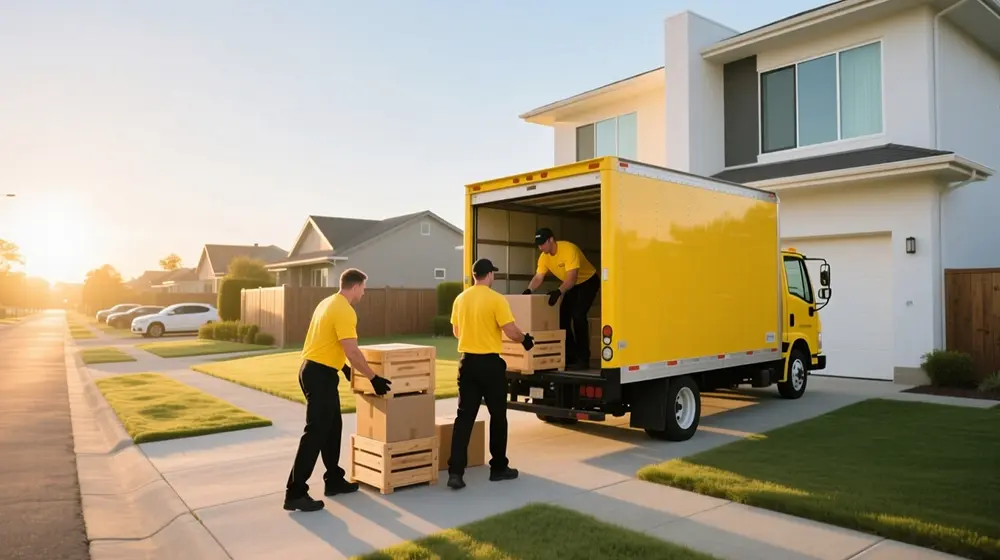
On paper, the Dubai to Al Ain run looks easier than the Dubai–Abu Dhabi corridor: fewer highway merges, less coastal congestion, and a mostly direct stretch through the interior. But crews familiar with the route flag two hidden factors that don’t show up on maps — rising desert temperatures and long service gaps between stations. Once you pass the outer edge of Dubai, shaded rest points and fuel stops become sparse, and any delay of even an hour pushes the move into heat levels that slow both the driving and the unloading crew (National Center of Meteorology – Inland Heat Pattern Reports)
Unlike coastal moves, Al Ain properties often tie access to pre-approved time windows, especially in villa communities and residential compounds. Some sites only clear unloading if the truck arrives before mid-morning, and any slip pushes the job to late afternoon or the next day. When that happens, the crew has already burned fuel and hours with no unloading to show for it. (Al Ain Municipality – Move-In Scheduling & Compound Access Notices)
Drivers also report that fatigue builds faster on this route because the heat hits earlier and harder than in Dubai or Abu Dhabi. Once the clock passes the late-morning point, both the vehicle and the team are working against temperature rather than distance, and nothing lost in those conditions gets recovered later in the day. (MOHRE – Heat Stress Management Guidelines for Field Operations)
2. Heat Management Isn’t About Comfort — It Decides the Whole Schedule
People who haven’t done this route assume the real heat hits after noon, but the stretch between Dubai and Al Ain warms faster than coastal highways. Once the truck leaves the shaded belt around Dubai, the inland temperature rises hour by hour, and anything loaded after sunrise holds that heat inside the cargo bay. Furniture, electronics, and boxed items don’t just sit still — they absorb it. That’s why experienced teams refuse to load past a certain hour unless they absolutely have to.
Regulations don’t just apply to construction workers; moving crews fall under the same midday restrictions when temperatures reach threshold levels. If packing or offloading runs into the heat window, they have to stop or split shifts, and that delays the journey even if the truck is already fueled and ready. Drivers also reduce cabin idle time to avoid overheating the engine, which forces more frequent rest breaks on exposed stretches.
Another issue is cargo protection. Without pre-cooling or insulated wrapping, certain goods can’t be left sitting in the back of a vehicle once the day turns. Crews who know the route plan the loading so the truck clears Dubai well before the sun catches up. If the timing slips, the schedule does too — no matter how close Al Ain looks on the map.
3. Fuel and Rest Stops: Where You Pause Decides How the Day Ends
There’s a long stretch on this route where you don’t get a second chance to refuel. Once past the outer stations near Dubai, the next proper stop with services isn’t always close enough to rely on guesswork. Tank size, load weight, AC usage, and desert temperature change the burn rate, and if a driver miscalculates, they don’t just lose time — they risk stalling or rerouting into side exits built for private vehicles, not loaded movers. (Adnoc and Emarat Highway Services Network Overview)
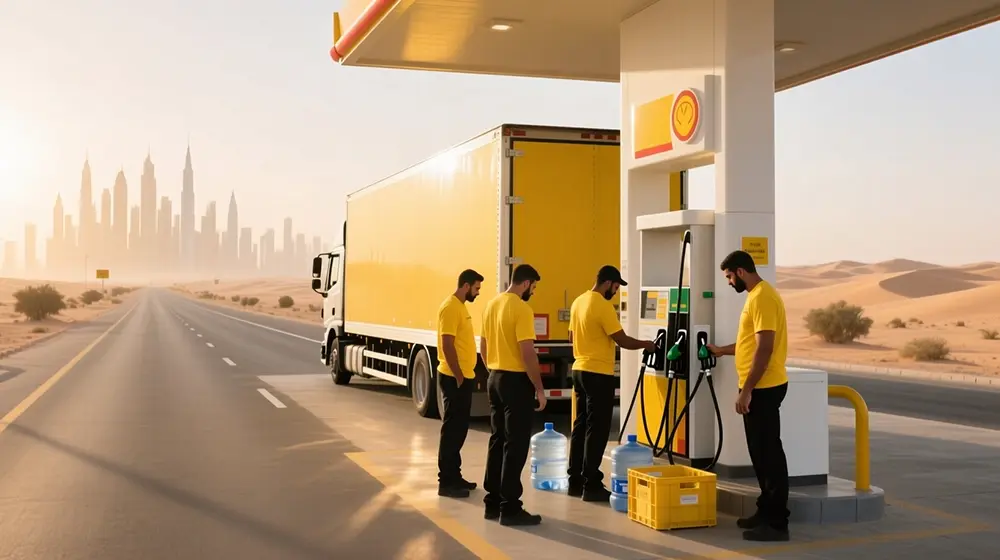
Crews who know the route don’t wait for the low-fuel warning light. They top up early, especially if the loading started before dawn and the AC is working overtime to keep both the cabin and cargo tolerable. Some plan a rest stop on the Dubai side before the desert run so the next pause happens closer to the Al Ain entry rather than in the middle of nowhere.
The other factor is crew fatigue. Even with two drivers, the inland route can drain energy faster than the clock suggests. Heat reflection off the road and limited shaded parking mean rest breaks have to be chosen, not guessed. A 15-minute stop in the wrong place becomes 45 minutes if the team can’t cool down or refuel and move on.
4. Morning-Only Isn’t a Preference — It’s the Only Window That Works
Teams that survive this route without delays don’t gamble with departure time. They either load before sunrise or finish packing late the night before, then leave when the roads are still cool and enforcement is minimal. Once the sun climbs, cabin temperatures rise fast, and both the crew and cargo start absorbing that heat long before reaching Al Ain. By 10 AM, the inland stretch is already hotter than coastal areas, and every extra hour on the road drains driver focus and increases fuel use.
There’s another reason crews insist on early departure: access at the destination isn’t flexible. A lot of compounds, villas, and mixed-use properties in Al Ain only accept unloading during pre-approved slots. If a truck arrives outside that window, security either delays entry or pushes the job to after Asr or Maghrib, which means the crew sits with a full load and a cooling vehicle while the day heat peaks. That delay doesn’t happen because of traffic — it happens because the truck left Dubai two hours too late (Al Ain Municipality – Residential Compound Access Notices).
Morning runs also reduce checkpoint friction. Officers are less likely to conduct detailed inspections at dawn, and trucks often pass without being pulled over when documentation is already in hand. Once the day progresses, enforcement teams rotate, and stops take longer. What could have been a clean run becomes a midday standstill because someone thought a 9:30 departure was “early enough.”
5. Time Gained vs Time Lost: Heat and Departure Impact
| Departure Window | Heat Impact En Route | Fuel Burn & Engine Strain | Arrival Outcome in Al Ain | Time Gained or Lost |
| Before 6:00 AM | Minimal cabin and cargo heat | Lower AC load, steady fuel use | Fits most morning access slots | Saves 1–2 hours |
| 6:30 – 7:30 AM | Rising temperatures by mid-route | Moderate fuel increase | May catch last early slot | Neutral to +30 mins |
| 8:00 – 9:00 AM | Heat intensifies before halfway | Higher cabin cooling demand | Risk of slot rollover | Loses 1–2 hours |
| After 9:30 AM | Desert heat peaks en route | Noticeable fuel drain and driver fatigue | Afternoon or next-slot arrival | Loses 2–4 hours |
| Late morning | Cargo heats in transit | Engine stress and stop frequency increase | Often pushed to evening window | Move may carry over to next day |
6. Fuel Stops That Actually Work on This Route
Not every fuel station on the Dubai–Al Ain stretch can handle loaded movers, and some don’t offer shaded parking or enough space for larger vehicles to turn. Crews that plan ahead stop once—deliberately—not three times out of caution or panic. Here’s what actually works when timing, services, and layout matter:
| Stop Location | Approx. Distance from Dubai Start | Why Crews Use It | Services Available | Time Impact if Skipped |
| Adnoc near Dubai Outlet Mall | ~35 km | Last urban-side top-up before desert stretch | Fuel, restroom, quick snacks | Risk of mid-route refuel delay |
| Emarat – Dubai/Al Ain Road Interchange | ~55 km | Wide entry and exit for loaded trucks | Fuel, air, shaded parking | Adds 30–45 mins if bypassed |
| Adnoc Al Khazna Station | ~95 km | Midpoint stop before Al Ain entry | Fuel, rest zone, basic maintenance | Forces detour if fuel runs low |
| Adnoc Al Faqa Area | ~115 km | Used by fleets before checkpoint zones | Fuel, washroom, AC rest spot | Crew slowdown from fatigue |
| Emarat Near Al Ain Truck Route Entry | ~135 km | Top-up before unloading and urban driving | Fuel, shop, parking | Engine strain and arrival delays |
7. The Cost of Leaving After the Heat Starts Climbing
Missing the early window does more damage on this route than on most others. Once the truck rolls past the cooler hours, three problems show up at the same time: fuel burn climbs, crews work slower, and Al Ain access windows close before the vehicle arrives. A delay on the Dubai side—whether from late loading, a missing document, or a slow elevator—doesn’t just push the schedule back by an hour. It rearranges the entire day around heat and access restrictions.
Another issue is building coordination. Many Al Ain residential areas and compounds expect trucks to arrive before lunch or after late afternoon prayers. Anything in between forces holding, and some guards won’t even allow offloading in direct heat for safety reasons. The truck then either idles outside or reroutes to a shaded layby while the crew waits for clearance. What should have been a same-day job becomes a two-part move—not because of traffic, but because timing slipped back in Dubai.
Fuel stress also kicks in during late starts. Air conditioning runs harder, engines stay hot longer, and drivers report taking unplanned stops just to recover from heat glare and cabin fatigue. By the time the truck reaches the outskirts of Al Ain, the crew is behind, tired, and still waiting for the property window to reopen (MOHRE Heat Enforcement Circulars; Al Ain Community Access Advisories)
8. When Fuel Math Backfires and the AC Starts Working Against You
Most people think a full tank and a long road are all that matter, but the Dubai–Al Ain stretch punishes small miscalculations. Once the truck leaves the shaded zones and the AC runs nonstop, fuel burn rises faster than most drivers expect. Add cargo weight, soft-sand stretches near service roads, or a headwind, and the consumption jumps again. The problem isn’t just the fuel itself—it’s what gets sacrificed when drivers try to “make it last.”
Some crews cut the cooling to preserve diesel, but that raises cabin temperature and drains energy before they reach Al Ain. Anyone riding in a hot cabin on a desert road knows the toll it takes after an hour. A tired team unloads slower, sweats more, and loses time they’ll never recover. Others roll the dice and skip topping up at the last proper stop, hoping to refuel near the destination. That works only if the station isn’t crowded, under maintenance, or too tight for a loaded truck to swing in.
The worst-case scenarios don’t always make headlines—stalled vehicles at the wrong exit, late arrivals with no shade, crews trying to cool down before lifting a single box. You don’t see those in glossy brochures, but the drivers who run this line every month talk about it like clockwork (Adnoc Fuel Route Logs; Driver Heat Exposure Reports)
9. What Really Happens If You Miss the Al Ain Entry Slot
People assume that once the truck reaches the city limits, the hard part is over. It isn’t. Al Ain properties, especially villas and compounds, don’t always allow entry just because the vehicle has arrived. If the agreed arrival window slips—even by 45 minutes—the guard won’t improvise. Some locations won’t open loading areas between late morning and late afternoon, either due to heat rules, prayer schedules, or noise restrictions around residential blocks.
When that happens, the truck doesn’t unload. It waits. The crew either sits inside the vehicle with the AC eating fuel, or steps out into the kind of heat that leaves them drained by the time clearance is granted. If another contractor is already booked for the next slot, the move rolls into the evening—or the next morning. Meanwhile, furniture and electronics stay in a truck that’s been absorbing desert heat since it left Dubai.
A team that’s worked this route before doesn’t leave the destination timing to chance. They confirm the window twice, match their departure to that slot, and treat the gate schedule like a customs checkpoint. It’s not paranoia—it’s how you avoid standing outside a closed compound with a full load and no shade.
8. Final Take — The Day Is Won or Lost Before the Engine Starts
Moves on this corridor don’t fall apart because of the road—they fall apart because the clock is ignored. The crews that make it to Al Ain without stress don’t wait for the sun to come up before loading. They finish before dawn, top up fuel while the city is still quiet, and cross the hotter inland stretch before most people have had breakfast. That’s not luck—it’s planning shaped by hard experience.
What many first-time movers overlook is how unforgiving the timing is once you leave the shaded parts of Dubai. A one-hour delay at the loading bay can turn into a four-hour setback by the time the truck reaches Al Ain gates. Property access rules there don’t bend around late arrivals, and the midday heat isn’t something you negotiate with. Crews that know this route—really know it—don’t improvise on timing, fuel or paperwork. They move like the day is against them from the start, and that’s why they finish ahead.
Companies with field teams that run this route often treat the morning window like a contract term, not a preference. They already know which fuel stops won’t slow a loaded vehicle, which compounds shut their gates after 11 AM, and how quickly heat drains energy on the last stretch. That kind of foresight isn’t something you invent the day before a move—it comes from handling these runs enough times to know where the delays hide.